Professional Blood Pressure Calculator
Enter your blood pressure readings to determine your blood pressure category based on current clinical guidelines.
What Is a Blood Pressure Calculator?
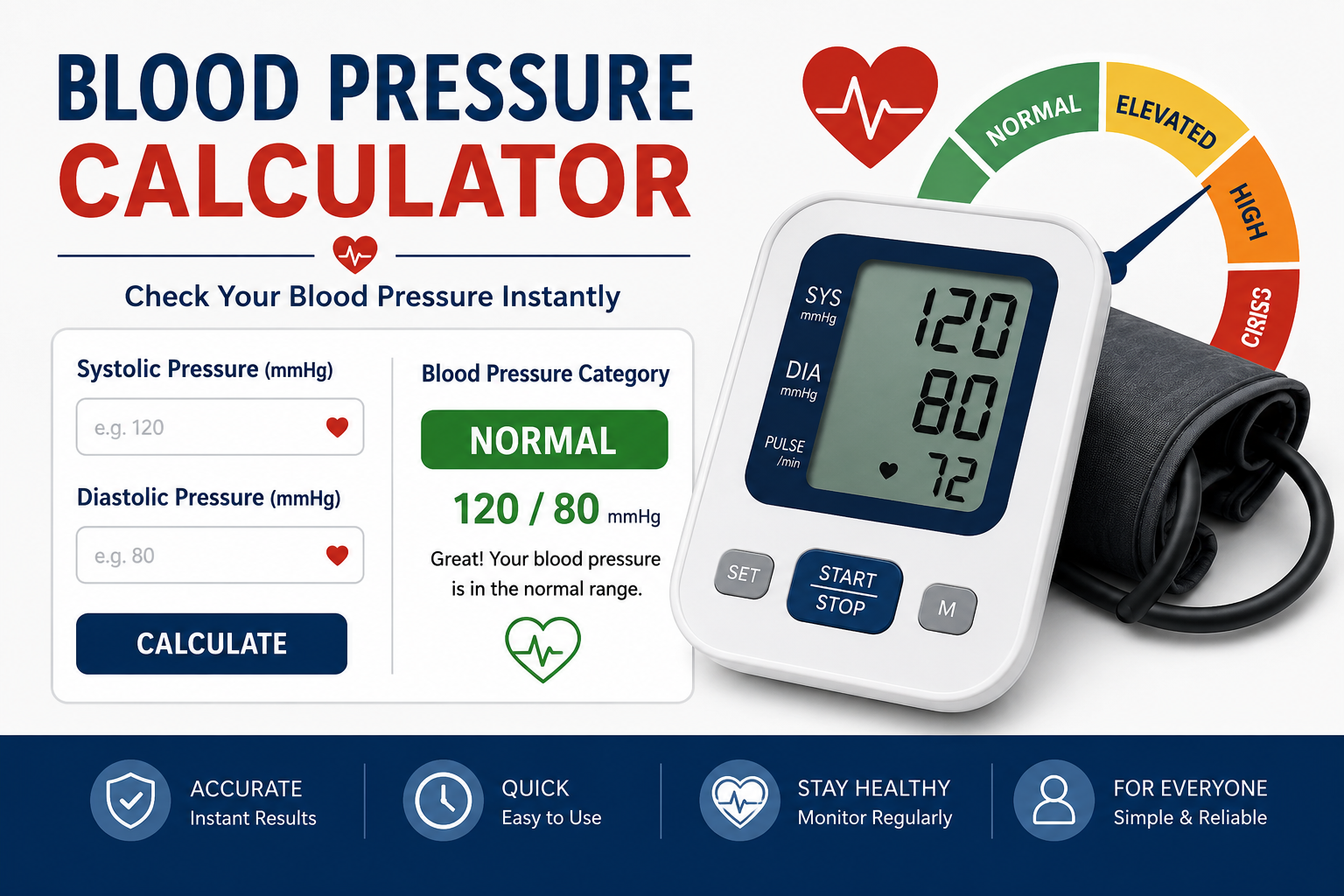
A Blood Pressure Calculator is an online health tool that helps estimate and interpret your blood pressure reading by analysing your systolic (upper number) and diastolic (lower number) values. Instead of simply displaying two numbers, the calculator classifies your reading into recognized blood pressure categories such as Low Blood Pressure (Hypotension), Normal, Elevated, High Blood Pressure (Hypertension Stage 1), Hypertension Stage 2, or Hypertensive Crisis. This allows users to better understand what their blood pressure reading may indicate and whether they should consider lifestyle improvements or seek medical advice.
Blood pressure measures the force of blood pushing against the walls of your arteries as your heart pumps. The first number, called systolic blood pressure, represents the pressure when the heart contracts and pumps blood. The second number, known as diastolic blood pressure, measures the pressure while the heart relaxes between beats. Both values are equally important because they provide valuable information about your cardiovascular health.
A Blood Pressure Calculator is designed to make these readings easier to understand. Rather than requiring you to remember complex blood pressure ranges, the calculator automatically compares your numbers with widely accepted clinical guidelines and provides an easy-to-read result along with personalized health recommendations. This makes it useful for adults who regularly monitor their blood pressure at home using a digital blood pressure monitor.
Regularly checking your blood pressure is one of the simplest ways to detect potential heart and circulatory problems early. High blood pressure often develops without noticeable symptoms, which is why it is commonly referred to as the "silent killer." Conversely, blood pressure that is too low may cause dizziness, fainting, blurred vision, or weakness. By using a Blood Pressure Calculator after taking your reading, you can quickly determine whether your numbers fall within a healthy range or whether additional monitoring may be appropriate.
Although an online Blood Pressure Calculator is an excellent educational and tracking tool, it should not replace professional medical advice or diagnosis. Blood pressure can change throughout the day due to physical activity, stress, caffeine, medications, hydration, and many other factors. If you consistently receive abnormal readings or experience symptoms such as chest pain, severe headache, shortness of breath, confusion, or vision changes, you should consult a qualified healthcare provider immediately.
Causes of High Blood Pressure
High blood pressure, also known as hypertension, is one of the most common health conditions worldwide. It occurs when the force of blood pushing against the artery walls remains consistently higher than normal. In many cases, hypertension develops gradually over several years without causing noticeable symptoms, which is why it is often called the "silent killer." If left untreated, high blood pressure can significantly increase the risk of heart disease, stroke, kidney disease, vision problems, and other serious health complications.
There is no single cause of high blood pressure. Instead, it usually develops due to a combination of lifestyle choices, genetics, aging, and underlying medical conditions. Understanding these risk factors can help you make healthier decisions and reduce your chances of developing hypertension.
1. Family History and Genetics
Genetics play an important role in blood pressure regulation. If one or both of your parents have hypertension, you may have a higher risk of developing high blood pressure as you age. Although you cannot change your genetic makeup, maintaining a healthy lifestyle can help lower your overall risk.
2. Aging
Blood pressure naturally tends to rise with age because arteries gradually become less flexible over time. As blood vessels stiffen, the heart must work harder to pump blood throughout the body, increasing systolic blood pressure. This is why regular blood pressure monitoring becomes increasingly important after the age of 40.
3. Excess Salt (Sodium) Intake
Consuming too much sodium is one of the leading lifestyle-related causes of hypertension. High sodium intake causes the body to retain extra fluid, increasing blood volume and placing additional pressure on artery walls. Reducing processed foods and limiting table salt can significantly improve blood pressure in many individuals.
4. Being Overweight or Obese
Carrying excess body weight forces the heart to work harder to supply oxygen and nutrients throughout the body. The additional workload increases pressure on blood vessels, making overweight and obesity major contributors to hypertension. Even modest weight loss can help lower blood pressure.
5. Physical Inactivity
A sedentary lifestyle weakens the heart and contributes to weight gain, poor circulation, and increased blood pressure. Regular physical activity helps strengthen the cardiovascular system, improves blood flow, and supports healthy blood pressure levels.
6. Unhealthy Diet
A diet high in processed foods, saturated fats, added sugars, and refined carbohydrates may contribute to high blood pressure. On the other hand, eating more fruits, vegetables, whole grains, lean proteins, and potassium-rich foods supports heart health and helps regulate blood pressure naturally.
7. Chronic Stress
Long-term stress may temporarily increase blood pressure by releasing stress hormones that narrow blood vessels and increase heart rate. While occasional stress is normal, chronic stress combined with unhealthy coping habits such as overeating, smoking, or excessive alcohol consumption can contribute to sustained hypertension.
8. Smoking and Tobacco Use
Nicotine causes blood vessels to narrow immediately after smoking, leading to temporary spikes in blood pressure. Long-term tobacco use damages artery walls, promotes plaque buildup, and greatly increases the risk of cardiovascular disease and hypertension.
9. Excessive Alcohol Consumption
Drinking excessive amounts of alcohol can raise blood pressure and weaken the heart muscle over time. Limiting alcohol intake according to healthcare recommendations may help reduce the risk of hypertension and improve overall cardiovascular health.
10. Chronic Medical Conditions
Several medical conditions can contribute to high blood pressure, including chronic kidney disease, diabetes, thyroid disorders, sleep apnea, adrenal gland disorders, and certain hormonal imbalances. Managing these underlying conditions is often essential for controlling blood pressure.
11. Certain Medications
Some prescription and over-the-counter medications may increase blood pressure in certain individuals. These include corticosteroids, nonsteroidal anti-inflammatory drugs (NSAIDs), decongestants, oral contraceptives, and some antidepressants. Always discuss medication-related concerns with your healthcare provider before making any changes.
12. Poor Sleep Quality
Insufficient sleep and sleep disorders such as obstructive sleep apnea have been linked to an increased risk of hypertension. During healthy sleep, blood pressure naturally decreases, allowing the cardiovascular system to recover. Consistently poor sleep can disrupt this process and contribute to long-term blood pressure elevation.
How to Reduce the Risk of High Blood Pressure
- Maintain a healthy body weight.
- Exercise for at least 150 minutes each week.
- Reduce sodium intake and limit processed foods.
- Eat a balanced diet rich in fruits and vegetables.
- Avoid smoking and tobacco products.
- Limit alcohol consumption.
- Manage stress through relaxation techniques.
- Get enough quality sleep every night.
- Monitor your blood pressure regularly.
- Follow your healthcare provider's advice and prescribed treatment plan.
High blood pressure often develops silently, making regular monitoring extremely important. Using a Blood Pressure Calculator after measuring your blood pressure can help you understand your readings and identify potential concerns early. However, if your readings remain consistently elevated or you experience symptoms such as severe headache, chest pain, shortness of breath, confusion, or vision changes, seek medical attention promptly.
Frequently Asked Questions (FAQs)
1. What is a normal blood pressure reading?
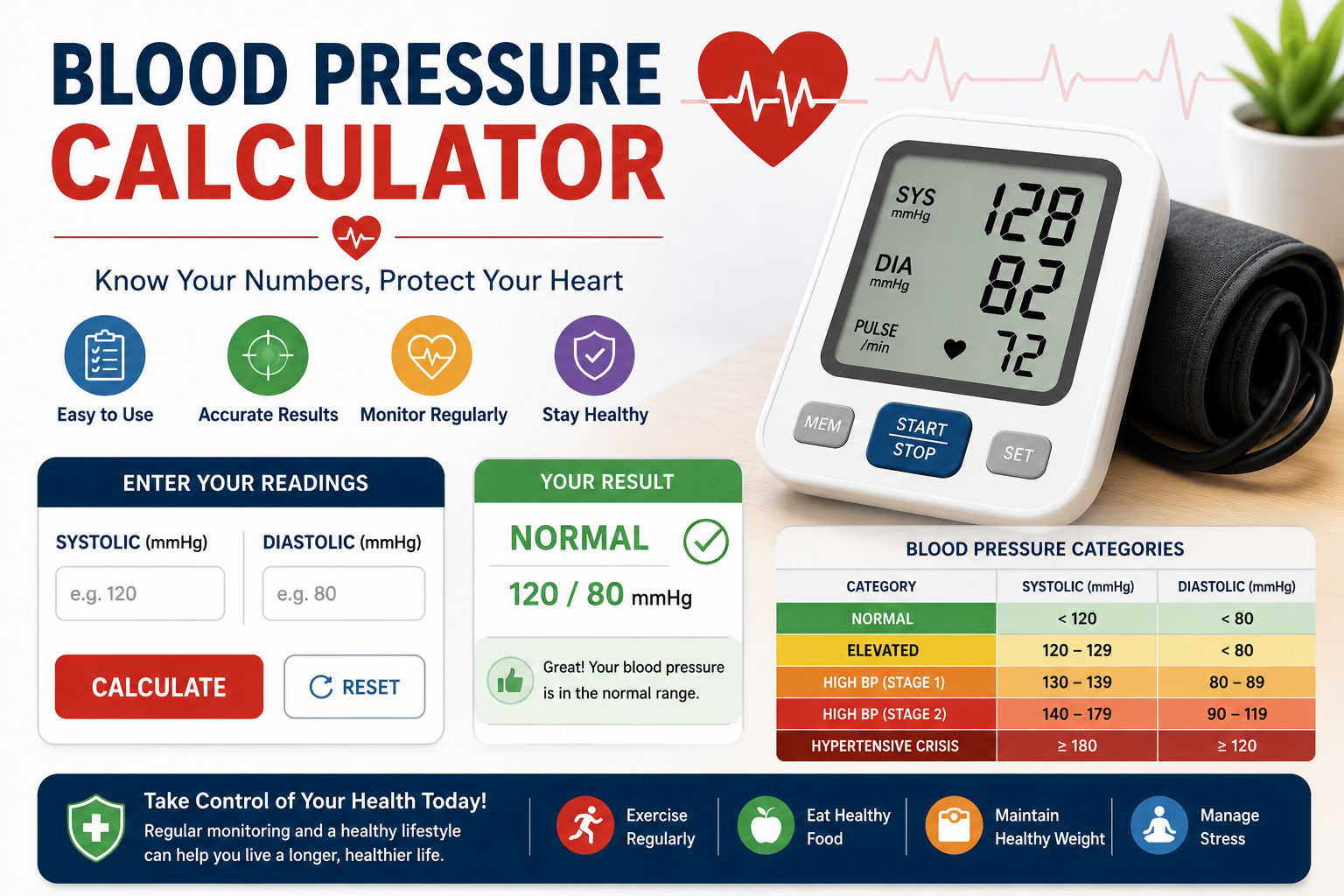
A normal blood pressure reading is generally considered to be less than 120/80 mmHg. The systolic (upper) number should be below 120, while the diastolic (lower) number should be below 80. Regular monitoring helps ensure your blood pressure remains within a healthy range.
2. What is considered high blood pressure?
High blood pressure, also known as hypertension, usually begins when your blood pressure consistently measures 130/80 mmHg or higher. Your healthcare provider may recommend lifestyle changes, medication, or both depending on your overall health and risk factors.
3. What does a Blood Pressure Calculator do?
A Blood Pressure Calculator analyzes your systolic and diastolic readings and classifies them into categories such as Low Blood Pressure, Normal, Elevated, Hypertension Stage 1, Hypertension Stage 2, or Hypertensive Crisis. It helps users better understand their blood pressure results.
4. Can stress increase blood pressure?
Yes. Stress can temporarily increase blood pressure by releasing hormones that make your heart beat faster and narrow your blood vessels. Long-term stress combined with unhealthy lifestyle habits may contribute to chronic hypertension.
5. Can exercise help lower blood pressure?
Yes. Regular physical activity strengthens the heart, improves blood circulation, and helps lower blood pressure over time. Most adults should aim for at least 150 minutes of moderate exercise each week.
6. What foods help maintain healthy blood pressure?
Foods rich in potassium, magnesium, and fiber—including fruits, vegetables, whole grains, beans, nuts, and low-fat dairy products—can support healthy blood pressure. Limiting sodium, processed foods, and added sugars is also beneficial.
7. Is low blood pressure dangerous?
Low blood pressure (hypotension) is not always harmful. However, if it causes dizziness, fainting, blurred vision, confusion, or weakness, you should consult a healthcare professional to determine the underlying cause.
8. How often should I check my blood pressure?
Healthy adults should check their blood pressure at least once every year. Individuals with high blood pressure, heart disease, diabetes, kidney disease, or other risk factors may need to monitor it more frequently as advised by their healthcare provider.
9. Can I rely on an online Blood Pressure Calculator?
An online Blood Pressure Calculator is a useful educational tool for interpreting your readings, but it cannot diagnose medical conditions. It should never replace professional medical advice, diagnosis, or treatment.
10. When should I seek emergency medical care?
If your blood pressure is 180/120 mmHg or higher and you experience symptoms such as chest pain, severe headache, difficulty breathing, confusion, vision problems, or weakness, seek immediate emergency medical attention.
Conclusion
Maintaining healthy blood pressure is one of the most important steps you can take to protect your heart, brain, kidneys, and overall health. Because high blood pressure often develops without noticeable symptoms, regular monitoring is essential for detecting potential problems before serious complications occur. Whether you are checking your blood pressure at home or during routine medical visits, understanding what your numbers mean can help you make informed decisions about your health.
A Blood Pressure Calculator provides a quick and convenient way to interpret your systolic and diastolic readings according to widely accepted clinical guidelines. It can help you identify whether your blood pressure falls into the normal, elevated, or hypertensive range while also encouraging healthier lifestyle choices such as maintaining a balanced diet, exercising regularly, reducing sodium intake, managing stress, avoiding tobacco, limiting alcohol consumption, and getting enough sleep.
Although this calculator is an excellent educational tool, it should not replace advice from a qualified healthcare professional. Blood pressure can change throughout the day due to physical activity, stress, medications, hydration, and many other factors. If your readings remain consistently high or low, or if you experience symptoms such as chest pain, severe headaches, dizziness, shortness of breath, vision changes, or confusion, seek medical attention promptly.
By regularly monitoring your blood pressure and adopting heart-healthy habits, you can significantly reduce your risk of hypertension, heart disease, stroke, and other cardiovascular conditions. Small lifestyle improvements today can make a lasting difference in your long-term health and overall well-being.